Azelaic Acid is a powerhouse ingredient in skin care. It offers numerous benefits, making it essential for achieving healthy skin. This naturally occurring acid is found in grains like barley and wheat. It’s celebrated for its ability to treat acne, rosacea, and hyperpigmentation. Many dermatologists endorse Azelaic Acid for its effectiveness and safety.
Incorporating Azelaic Acid into your routine can help refine your skin's texture. It works by unclogging pores and reducing inflammation. Users often notice a clearer complexion after consistent application. However, like any product, it may not work for everyone. Some may experience irritation or dryness. Listening to your skin is crucial.
Understanding your unique needs is key when using Azelaic Acid. It’s advisable to consult a dermatologist for personalized advice. Taking the time to learn about this ingredient ensures you reap its full benefits. Ultimately, Azelaic Acid can play a vital role in enhancing your skin health.
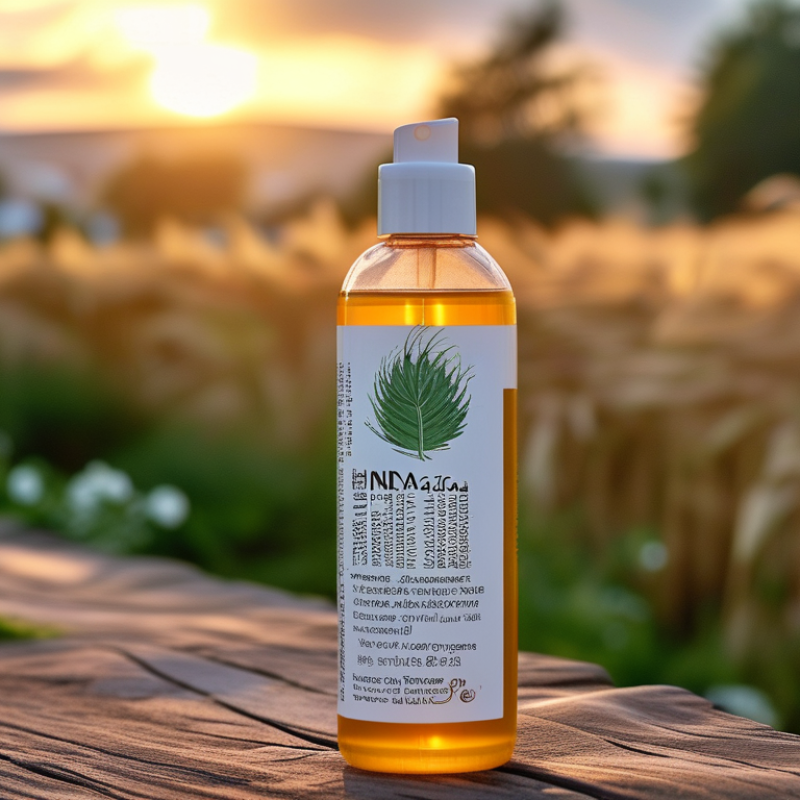
Azelaic acid is a powerful ingredient in skin care. It comes from grains like wheat and barley. This natural acid gently exfoliates the skin. It helps to unclog pores and reduce inflammation.
Essentials of azelaic acid include its anti-inflammatory properties. It is effective against conditions like acne and rosacea. Users may notice a reduction in redness and blemishes. The acid also helps with hyperpigmentation, giving a more even skin tone. Even sensitive skin can benefit from it, as it is less irritating than other acids.
**Tip:** Start with a low concentration. This allows your skin to adjust. Gradually increase the frequency of use. Monitor your skin's response closely.
Azelaic acid works by inhibiting the growth of acne-causing bacteria. It also promotes cell turnover, helping your skin look fresh. However, results may take time. Patience is key in any skin care routine.
**Tip:** Always wear sunscreen. Azelaic acid can make your skin more sensitive. Protecting your skin is essential. Stay consistent with your application for the best results.
Azelaic acid is gaining recognition in the skincare community for its impressive benefits across diverse skin types. Research indicates that azelaic acid effectively treats acne, rosacea, and hyperpigmentation. According to a study published in the Journal of Clinical and Aesthetic Dermatology, about 62% of users experienced significant improvement in their acne after using azelaic acid for eight weeks. This acid works by reducing inflammation and unclogging pores, making it ideal for those with sensitive skin.
One of the notable advantages of azelaic acid is its suitability for various skin tones. A clinical trial found that it helps even out skin tone and diminish dark spots in 45% of participants within 12 weeks. This attribute is particularly beneficial for individuals with melasma or post-inflammatory hyperpigmentation. Azelaic acid also boasts antibacterial properties, which can further aid in managing acne-prone skin. Users may encounter some initial irritation, which often diminishes with continued use. It’s essential to approach azelaic acid cautiously and monitor its effects.
Moreover, azelaic acid produces less irritation compared to stronger treatments like retinoids. This makes it a more accessible option for those with sensitive skin. However, individuals must be aware that consistency is key, and results may take weeks to manifest. Users should maintain realistic expectations about their skin journey as they incorporate azelaic acid into their routine.
| Benefit | Skin Type | Mechanism of Action | Recommended Concentration |
|---|---|---|---|
| Reduces Acne | Oily and Acne-Prone | Inhibits the growth of bacteria and reduces inflammation. | 15%-20% |
| Improves Skin Tone | Dull and Uneven | Inhibits tyrosinase, helping to reduce hyperpigmentation. | 15%-20% |
| Reduces Rosacea | Sensitive and Rosacea-Prone | Reduces inflammation and alleviates redness. | 15%-20% |
| Minimizes Pore Appearance | Combination | Helps to clear the pores and reduce congestion. | 10%-20% |
| Enhances Skin Radiance | Dry and Dull | Promotes cell turnover for a brighter complexion. | 10%-20% |
Incorporating azelaic acid into your daily skin care routine is a game changer. This powerful ingredient helps target common skin concerns. Studies show that azelaic acid can reduce acne by up to 50% in 12 weeks. It also brightens the skin and evens out tone, thanks to its anti-inflammatory properties.
When integrating azelaic acid, start slowly. Begin with a 10% concentration, applying it two to three times a week. Monitor your skin's response to avoid irritation. Look for products that include hydrating ingredients to balance any dryness. Using a moisturizer afterward can enhance results, providing necessary hydration without clogging pores.
Be patient; results take time. It might take several weeks to see significant improvements. Regular use is essential. Some users experience mild side effects, such as redness or tingling, especially during the initial phase. These reactions are usually temporary. Experimenting with timing—morning versus night—can help find what works best for your skin. Always remember that each skin type is unique, and what works for one may not work for another.
Azelaic acid is gaining attention in the skincare world. Its role stands out when compared to other active ingredients. Notably, it effectively targets acne and rosacea. Research shows azelaic acid can reduce acne lesions by 37% in just 12 weeks. This is significant, especially for those with sensitive skin types.
When considering efficacy, azelaic acid works differently than retinoids. Retinoids can cause irritation, particularly during the initial use. In contrast, azelaic acid may cause minimal discomfort. A study found that only 15% of users report irritation, compared to 50% with retinoids. This gentle nature makes azelaic acid a safe option for many.
Moreover, azelaic acid offers additional benefits. It has been shown to brighten skin tone and reduce hyperpigmentation. While hydroquinone is often used for pigmentation issues, it may lead to side effects for some. Research indicates that azelaic acid can improve skin glow without the aggressive reaction associated with stronger ingredients. These properties make azelaic acid an essential aspect of a well-rounded skincare routine.
Azelaic acid has gained popularity for its benefits in treating skin conditions. However, it’s vital to acknowledge potential side effects associated with its use. Reports indicate that about 10-20% of users may experience mild irritation. This can manifest as redness, dryness, or a stinging sensation when first introduced to the skin. Understanding individual skin tolerance is essential to minimize adverse reactions.
Skin experts recommend starting with lower concentrations of azelaic acid. This gradual introduction helps the skin adjust better. Users should monitor for any signs of irritation or adverse effects. In clinical studies, long-term use has shown a favorable safety profile. Still, caution is wise, as reactions can vary widely among individuals.
Practicing self-awareness during application is crucial. Factor in your skin type and any existing sensitivities. Additionally, combining azelaic acid with certain ingredients may heighten the risk of irritation. Regularly assessing your skin's response can guide effective usage. Keeping notes on how your skin reacts can enhance your approach over time.
: Azelaic acid effectively treats acne, rosacea, and hyperpigmentation.
Users may see significant improvement after eight weeks of consistent use.
Yes, azelaic acid is gentler than retinoids and often causes minimal irritation.
Yes, it can even out skin tone and reduce dark spots for many users.
Azelaic acid causes less irritation than retinoids, making it safer for sensitive skin.
Some users may have initial irritation, but it typically lessens with continued application.
Consistency is vital, and results may take time. Setting realistic goals is important.
Yes, users with melasma found improvement in their skin condition with azelaic acid.
It brightens the skin and reduces pigmentation without harsh side effects.
Azelaic Acid is a multifaceted skincare ingredient known for its ability to address various skin concerns effectively. This naturally occurring acid has antibacterial and anti-inflammatory properties, making it beneficial for treating acne, rosacea, and hyperpigmentation across diverse skin types. Understanding how Azelaic Acid works highlights its role in promoting skin cell turnover and reducing redness, thereby enhancing overall skin texture.
Incorporating Azelaic Acid into a daily skincare routine can be seamlessly achieved through serums and creams, often recommended for use in the morning or night. It is essential to compare Azelaic Acid with other active ingredients, as it offers unique advantages without the irritation often associated with stronger exfoliants. However, users should remain mindful of potential side effects like mild irritation or dryness, making it crucial to introduce this ingredient gradually. Overall, Azelaic Acid is an essential addition to any skincare regimen, providing numerous benefits for healthy, radiant skin.

Bieyouth