How to Source Luteolin for Global Trade Opportunities?

Time:2026-09-05 Author:Aria
0%

Luteolin is a flavonoid found in various plants, widely recognized for its antioxidant properties. In recent years, its demand has surged due to growing health awareness and interest in natural products. According to a recent market research report, the global market for luteolin is projected to grow at a CAGR of 7.5% over the next five years. This growth presents significant opportunities for businesses involved in global trade.

The expansion of the nutraceutical and dietary supplement sectors has been a key driver of luteolin's popularity. In fact, luteolin is being investigated for its potential anti-inflammatory and anti-cancer properties. Companies must navigate sourcing and distribution challenges, however. Quality and purity standards can vary significantly among suppliers. According to industry reports, 30% of herbal products do not meet established quality criteria.

Understanding the complexities of the luteolin market is essential for success. Importantly, ensuring consistent supply while adhering to regulatory requirements requires expertise. As the market evolves, businesses must adapt to changes and consider sustainability in sourcing. This proactive approach can enhance reliability and authority, ultimately leading to stronger trade relationships in the luteolin sector.
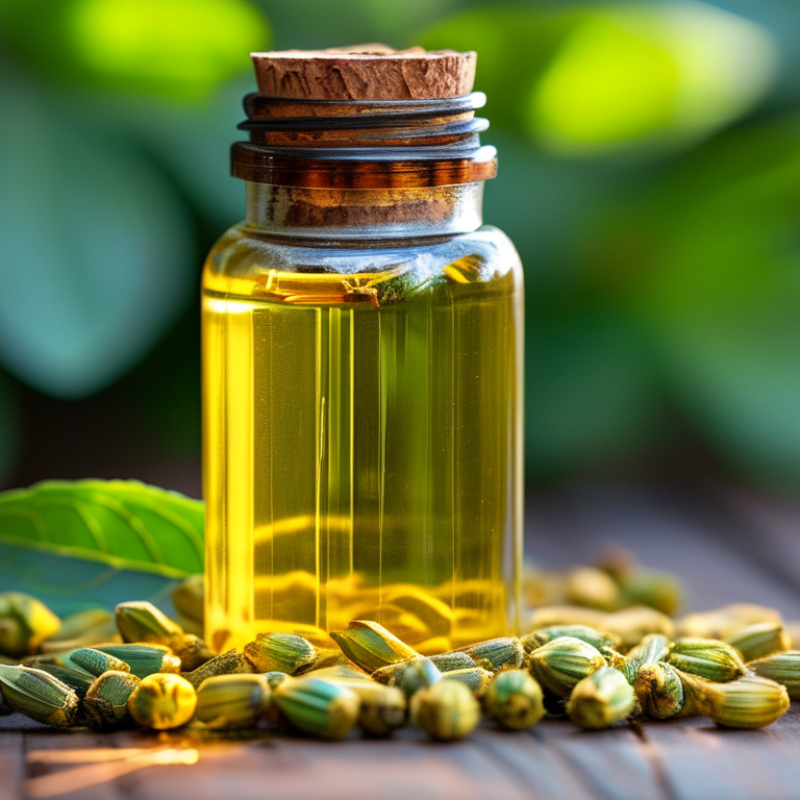
How to Source Luteolin for Global Trade Opportunities?

Understanding Luteolin and Its Global Trade Potential

Luteolin is a flavonoid found in many plants. It has garnered attention for its potential health benefits. This compound is present in herbs, fruits, and vegetables. Its anti-inflammatory and antioxidant properties are significant. Understanding luteolin's global trade potential can open new markets. Many manufacturers are looking for natural sources of active ingredients like luteolin.

Identifying reliable suppliers is crucial. Look for companies with transparency in sourcing. Understand the extraction and processing methods used. Gathering certifications and quality control standards can help ensure the product's reliability. Networking at trade shows can provide insights into industry trends.

While luteolin holds promise, beware of inconsistent quality. Different sources can vary in luteolin content. Researching and testing products from various suppliers is wise. This allows you to assess their efficacy and safety. Engaging with experts can help navigate this market. It’s essential to remain informed about evolving research on luteolin. Continuous learning will position you well within the trade landscape.

How to Source Luteolin for Global Trade Opportunities?

Region Luteolin Sources Functionality Market Trends Trade Opportunities
Asia Chinese Skullcap, Olive Leaves Anti-inflammatory, Antioxidant Growing supplements market High demand in health products
North America Herbal Extracts, Lettuce Anti-cancer properties Increasing cosmetic applications Collaborations with cosmetic brands
Europe Chamomile, Coffee Blood sugar regulation Focus on natural ingredients Opportunities in natural foods
Latin America Plant Sources, Citrus Fruit Neuroprotective effects Emerging herbal market Potential export markets
Africa Medicinal Plants, Green Teas Anti-viral properties Niche health products Local and international trade

Identifying Key Sources of Luteolin in Different Regions

Identifying key sources of luteolin requires a comprehensive understanding of its global distribution. Research indicates that luteolin is prevalent in various plants, such as artichokes, celery, and certain herbs. For trade purposes, these regions stand out. Spain is a major producer of artichokes, contributing significantly to the luteolin market. According to market analysis, Spain accounts for nearly 30% of global artichoke production.

In Asia, China is emerging as a vital source. With a diverse portfolio of herbal plants, China has seen a rise in luteolin extraction. A report by the Global Luteolin Market Projected Growth mentions that China's production is expected to grow by 15% annually. This growth is driven not just by domestic demand but also international trade opportunities.

Identifying reliable suppliers is crucial. Many companies face challenges in sourcing high-quality luteolin. Some suppliers might present inconsistencies in purity levels or sourcing practices. The need for thorough supplier vetting is essential. Trade professionals need to pay attention to these factors to ensure compliance with regulatory standards. Missteps in supplier selection can lead to product quality issues, impacting market credibility.

Evaluating Quality Standards for Luteolin Products

When sourcing luteolin for global trade, ensuring product quality is essential. Luteolin is a flavonoid with potential health benefits, making it attractive in markets like dietary supplements and cosmetics. Industry reports indicate that the global luteolin market is projected to reach $10 million by 2025, reflecting increasing interest in herbal extracts. However, varying quality in luteolin products can lead to challenges for traders.

Quality standards are pivotal in evaluating luteolin products. The content of luteolin varies significantly across suppliers. A reliable standard is necessary to maintain consistency. The main quality indicators include purity, sourcing method, and extraction techniques. For instance, a study published in the Journal of Agricultural and Food Chemistry highlights the importance of using high-pressure liquid chromatography (HPLC) for accurate quantification. Consumers expect pure, authentic products, and adherence to recognized quality metrics is crucial.

Despite the clear demand, the sourcing process can be complex. Not all suppliers adhere to strict quality control measures. Some may prioritize cost over quality, resulting in lower-grade luteolin. This discrepancy can affect market credibility. Traders need to assess suppliers rigorously and seek transparency in their production processes. Establishing a set of benchmarks for quality can bridge the gap between supply and demand effectively.

Exploring Market Demand and Trends for Luteolin Globally

Luteolin, a flavonoid known for its potential health benefits, is witnessing increasing global demand. Recent reports indicate a projected growth rate of 7.5% in the luteolin market, driven by rising interest in natural health products. The anti-inflammatory and antioxidant properties of luteolin are making it popular in pharmaceuticals and dietary supplements. According to a market analysis by Grand View Research, the global flavonoid market, which includes luteolin, was valued at approximately $900 million in 2021 and is expected to reach $1.6 billion by 2028.

As businesses explore sourcing options, it's crucial to understand regional trends. Markets in North America and Europe are leading the demand due to a shift towards preventive healthcare. Asia Pacific is emerging as a significant player, with an increasing focus on herbal products. Additionally, consumer awareness around clean-label products enhances the attractiveness of luteolin. This growing preference signifies potential trade opportunities across borders.

When considering sourcing, look to partner with suppliers who prioritize sustainability. Verify their certifications to ensure quality. Networking at industry events can unveil emerging suppliers and trends. Conduct market research regularly for insights into pricing fluctuations and demand changes, enhancing your sourcing strategy effectively. Remember, the success of sourcing luteolin hinges on understanding its market dynamics thoroughly.

Building Partnerships for Sourcing Luteolin in International Markets

Building partnerships for sourcing luteolin in international markets requires strategic collaboration among stakeholders. Luteolin, a flavonoid with numerous health benefits, is gaining traction in the nutraceutical industry. According to a recent market report, the global luteolin market is expected to grow at a CAGR of 10% from 2023 to 2030. This trend underscores the importance of establishing solid partnerships to capitalize on the demand.

Collaboration can facilitate access to raw materials and enhance distribution networks. Engaging with suppliers who prioritize high-quality sourcing is crucial. Many producers are located in regions with rich biodiversity, such as South America and parts of Asia. Building relationships with local farmers not only supports sustainable practices, but also boosts the supply chain's reliability. Challenges may arise, however, as varying regulatory standards exist across countries. Navigating these differences requires thorough research and ongoing dialogue.

Investing time in networking events and trade fairs can yield fruitful connections. These platforms present opportunities to meet potential partners face-to-face and understand their capabilities. Many industry leaders highlight the importance of trust in these relationships. Establishing this trust can be daunting but necessary for long-term success. Create a roadmap that considers cultural nuances and business practices. Each partnership teaches essential lessons that shape future strategies.

FAQS

: What is luteolin?

: Luteolin is a flavonoid found in many plants, including herbs, fruits, and vegetables.

What health benefits does luteolin offer?

Luteolin has significant anti-inflammatory and antioxidant properties.

Why is sourcing luteolin from suppliers important?

Reliable suppliers ensure product quality and safety for consumers.

How can companies assess luteolin quality?

Companies should research and test products from various suppliers to ensure consistent quality.

What role do partnerships play in luteolin sourcing?

Partnerships enhance access to raw materials and improve distribution networks in international markets.

What challenges are faced sourcing luteolin globally?

Varying regulatory standards and inconsistent product quality can create significant challenges.

How can networking events benefit luteolin sourcing?

Networking at trade shows helps businesses make connections and understand industry trends firsthand.

Why is trust important in partnerships?

Establishing trust is crucial for long-term success in building effective collaborations.

What should companies consider when building partnerships?

Companies should be aware of cultural nuances and different business practices for effective collaboration.

How can companies stay informed about luteolin?

Continuous learning and engagement with experts can help navigate the evolving luteolin market.

Conclusion

Luteolin, a flavonoid known for its potential health benefits, presents significant opportunities for global trade. Understanding its properties and market value is crucial for businesses looking to capitalize on this compound. Various regions serve as key sources of luteolin, with specific plants and extraction methods contributing to the diversity of available products.

Quality standards are essential for ensuring that luteolin products meet market expectations and regulatory requirements. Analyzing current market demands and trends helps identify consumer preferences, guiding sourcing strategies. By building partnerships across international markets, businesses can enhance their supply chains and improve access to quality luteolin, navigating the complexities of global trade effectively.


Aria

Aria

Aria is a dedicated marketing professional with a deep passion for innovative strategies and a keen understanding of our company's product offerings. With a wealth of experience in the industry, Aria excels at crafting engaging content that highlights the unique features and benefits of our......