Copper peptides are attracting attention in the skincare and cosmetic industries. Their powerful properties have made them a top choice among consumers and manufacturers alike. According to recent market research, the global market for copper peptides is expected to grow significantly. This growth emphasizes the increasing demand for effective and safe skincare ingredients.
Studies reveal that copper peptides promote collagen production and enhance skin elasticity. They effectively reduce wrinkles and improve overall skin texture. In clinical trials, products containing copper peptides showed visible results within weeks. Such data confirms their potential in anti-aging skincare products. Industry experts rank copper peptides among the top ingredients for skin health.
However, some challenges remain. Not all copper peptide formulations are created equal. Quality and concentration can vary widely between products. Buyers must be cautious and seek reputable brands. Despite these concerns, the benefits of copper peptides cannot be understated. Their ability to rejuvenate and repair skin has made them a favorite among dermatologists. For global buyers, understanding the specific advantages of copper peptides is essential in making informed choices.
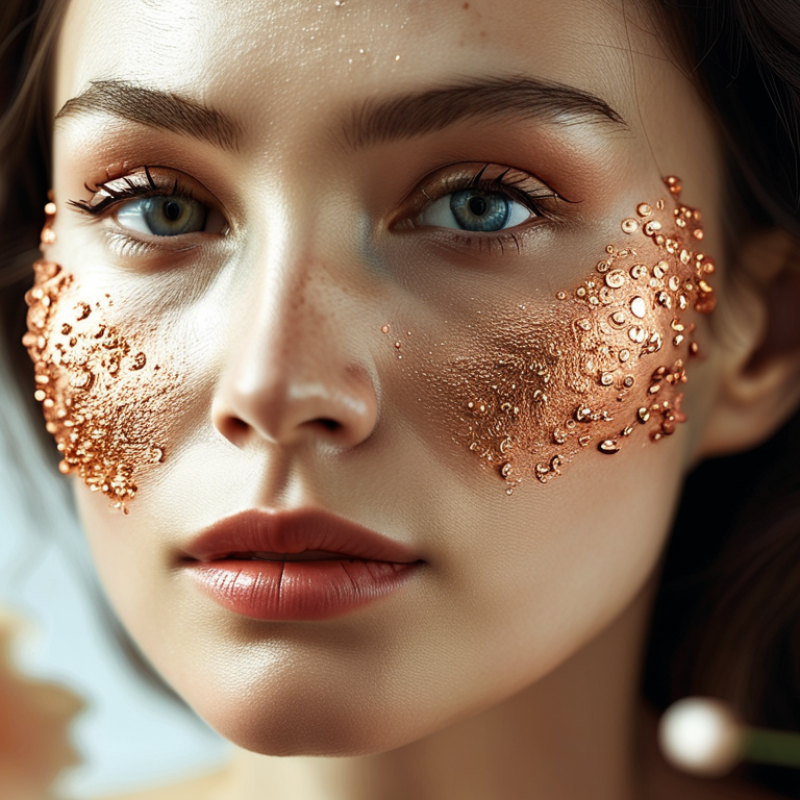
Copper peptides have gained attention for their potential benefits in skincare and overall health. These small protein fragments play a crucial role in various biological processes. One major benefit is their ability to promote wound healing. Research indicates that they can enhance collagen synthesis, assisting in the repair of damaged skin. This might appeal to buyers interested in improving skin recovery.
Another notable advantage is their antioxidant properties. Copper peptides can help neutralize free radicals, which are known to contribute to skin aging. This protective mechanism is vital for maintaining youthful skin and can resonate with consumers seeking long-term beauty solutions. Additionally, copper peptides are recognized for their anti-inflammatory effects. They may reduce redness and irritation, making them suitable for sensitive skin types.
However, not every experience with copper peptides is universally positive. Some users report mild irritation, emphasizing the need for patch testing. The effectiveness can vary based on individual skin types. While many appreciate the potential benefits, others might find it does not suit their specific needs. Buyers should consider these factors for an informed decision.
Copper peptides have emerged as a potent ingredient in skincare. These small molecules possess significant benefits, influencing skin health and appearance. Research shows that copper peptides can enhance collagen production. According to a study published in the Journal of Investigative Dermatology, they boost collagen synthesis by up to 300%. This finding emphasizes their role in promoting skin firmness and elasticity.
Additionally, copper peptides exhibit strong wound healing properties. They accelerate tissue repair by stimulating the body's natural healing processes. A clinical trial in the International Journal of Dermatology revealed that wounds treated with copper peptides healed significantly faster. This fast tracking of recovery is pivotal for both aesthetic and medical applications.
On the downside, copper peptides may cause irritation in sensitive skin types. Patch testing is essential before integrating them into skincare routines. While the benefits are compelling, it is vital to approach their usage with caution and awareness. Tailoring their application to individual skin needs can help mitigate potential issues. Understanding these aspects fosters a more informed and safe usage of copper peptides.
| Benefit | Description | Scientific Support |
|---|---|---|
| Promotes Wound Healing | Copper peptides accelerate the healing process by promoting collagen synthesis. | Studies show enhanced fibroblast activity with copper peptides. |
| Reduces Fine Lines | They help to increase the production of elastin and collagen, reducing the appearance of wrinkles. | Clinical trials indicate significant reduction in wrinkle depth. |
| Improves Skin Elasticity | Enhances skin firmness and elasticity through collagen reinforcement. | Research supports the role of copper peptides in elastin formation. |
| Antioxidant Effects | Copper peptides help neutralize free radicals and reduce oxidative stress. | Evidence points to their protective impact on cell membranes. |
| Enhances Hair Growth | Stimulates hair follicles and encourages new hair growth. | Studies demonstrate copper's role in hair follicle cells. |
| Reduces Hyperpigmentation | Helps in fading dark spots and evening out skin tone. | Research supports its effectiveness in inhibiting melanin production. |
| Anti-inflammatory Properties | Soothes irritated skin and reduces redness. | Clinical evaluations highlight its calming effects on skin. |
| Boosts Overall Skin Health | Promotes overall skin vitality and resilience. | Studies indicate improved skin barrier functions with copper peptides. |
| Supports Cellular Renewal | Encourages the turnover of skin cells, resulting in a fresher appearance. | Research shows faster cell regeneration with copper peptides. |
Copper peptides are gaining attention for their remarkable role in skin regeneration. They enhance the healing process by stimulating collagen and elastin production. This results in firmer, more youthful skin. These small proteins also help in reducing inflammation and repairing damaged tissues. As skin ages, the natural levels of these peptides decrease, leading to fine lines and wrinkles.
Tips: For best results, apply copper peptide serums at night. This allows the skin to repair while you sleep. Consistency is key; make it a regular part of your skincare routine.
In addition, copper peptides are known for their antioxidant properties. They can help protect the skin from environmental damage. Incorporating them into your regimen may enhance overall skin health. However, results may vary among individuals. It’s essential to monitor how your skin responds. Adjust your usage if necessary to avoid irritation.
Copper peptides have gained attention for their powerful antioxidant properties. These small protein fragments can effectively combat free radicals. Free radicals cause oxidative stress, leading to skin aging and various health issues. Copper peptides help neutralize these harmful radicals, enhancing skin vitality.
In addition to their antioxidant effects, copper peptides promote skin repair and regeneration. They stimulate collagen production, improving skin elasticity and texture. This can lead to a more youthful appearance. Many users report visible improvements in fine lines and overall skin tone. However, it is essential to remember that results may vary among individuals.
Maintaining a balanced approach is crucial when incorporating copper peptides into skincare routines. While they offer significant benefits, overuse can sometimes cause irritation or sensitivity in certain skin types. It is wise to conduct a patch test before full application. Keeping realistic expectations will help users appreciate the gradual improvements that copper peptides can provide.
Copper peptides are gaining attention for their unique ability to enhance collagen production. These small proteins play a crucial role in maintaining skin elasticity. As we age, our skin loses collagen, leading to wrinkles and sagging. Introducing copper peptides into your skincare routine can help reverse some of these effects.
For those new to copper peptides, consider starting with a low concentration. This allows your skin to adjust gradually. Look for products that contain at least 1% copper peptide for noticeable effects. Additionally, consistency is key. Using copper peptides daily can significantly boost your skin's firmness over time.
Not everyone experiences immediate results, and that’s okay. Skin regeneration takes time. Be patient and allow your skin to respond. Always test a small area first to avoid any potential irritation. With proper use, copper peptides can become a vital part of your skincare arsenal, promoting youthful elasticity and a smoother complexion.
Copper peptides have emerged as a fascinating alternative to traditional anti-aging treatments. Research indicates they promote collagen production and enhance skin elasticity. A 2021 study published in the Journal of Cosmetic Dermatology highlighted that copper peptides can reduce fine lines by up to 30% in just 12 weeks. This efficacy positions them as a compelling option for those seeking visible results without invasive procedures.
Traditional anti-aging solutions often rely on harsher methods, such as chemical peels or Botox. These procedures can lead to downtime and potential side effects. In contrast, copper peptides are non-invasive. They work at a cellular level to repair damaged tissue while minimizing irritation. This natural pathway offers an appealing alternative, as 65% of users reported smoother skin with no adverse reactions, according to industry reports.
Yet, the efficacy of copper peptides isn't universal. Some individuals may not respond as positively, reflecting the need for personalized approaches in skincare. Proper formulation matters significantly. Customers must also consider concentrations and product compatibility with their skin type. Balancing expectations with reality can lead to more satisfying experiences with copper peptide treatments.
The global market for copper peptides is expanding rapidly. These small proteins play a significant role in skin care and health supplements. As consumers become more informed, the demand for effective ingredients like copper peptides is rising.
Research reveals that copper peptides can enhance skin regeneration and collagen production. This powerful property attracts beauty brands and consumers alike. However, not all copper peptides are created equal. Variability in formulation can affect their effectiveness. Potential buyers should consider quality factors when making selections.
Applications extend beyond cosmetics. The healthcare sector is exploring copper peptides for wound healing and hair restoration. This versatility highlights the ingredient’s potential. Yet, awareness and education are crucial. Misconceptions about copper peptides can lead to suboptimal usage. It's important for buyers to consult reliable sources before making decisions.
: Copper peptides are small proteins that enhance collagen production, improving skin elasticity.
They help maintain skin firmness, reducing wrinkles and sagging as we age.
Begin with a low concentration, around 1%. This helps your skin adjust gradually.
Skin regeneration is slow. Many see improvements over several weeks with daily use.
Some may experience irritation. Always test a small area before widespread use.
They are non-invasive, with fewer side effects, unlike harsher methods like Botox.
Not everyone responds positively. Individual skin types can affect results.
Look for quality formulations and consider concentrations that suit your skin type.
Yes, they are explored for wound healing and hair restoration in healthcare.
It’s crucial. Misunderstandings can lead to improper usage and expectations.
Copper Peptides have gained significant attention in the skincare industry due to their numerous benefits. These small protein fragments play a vital role in skin regeneration by enhancing the healing process and promoting collagen production, which is essential for maintaining skin elasticity. Their powerful antioxidant properties also help combat free radicals, mitigating the signs of aging and contributing to healthier-looking skin.
As the demand for effective anti-aging solutions grows, Copper Peptides present a promising alternative to traditional treatments, appealing to global buyers seeking innovative skincare ingredients. The increasing popularity of Copper Peptides in various applications showcases their potential impact on the global market, reflecting a shift towards more advanced and scientifically-backed skincare solutions.

Bieyouth