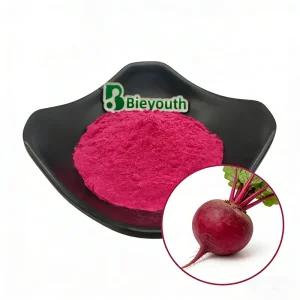
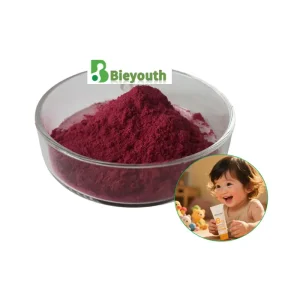
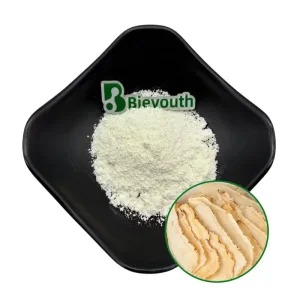
Premium grade ingredients designed for high-performance lactose-friendly formulations.
Understanding the shift from niche dietary needs to mainstream industrial standards.
The global lactose-free market is projected to reach USD 18.4 billion by 2027. We are moving beyond simple "lactose-free milk" into complex bioactive formulations, including Rice Protein Peptides and Inulin-based prebiotics that support gut health for sensitive populations.
Factories are now adopting "Clean Label" protocols. As a leading Lactose intolerance friendly supplier, our facility integrates enzymatic hydrolysis directly into the extraction process, ensuring that the final raw materials are 100% compatible with dairy-sensitive consumers.
Advanced Beta-galactosidase application in raw material processing allows for the pre-digestion of complex sugars, making high-protein extracts like Wheat Protein or Rice Peptides safer and more absorbable than traditional dairy counterparts.
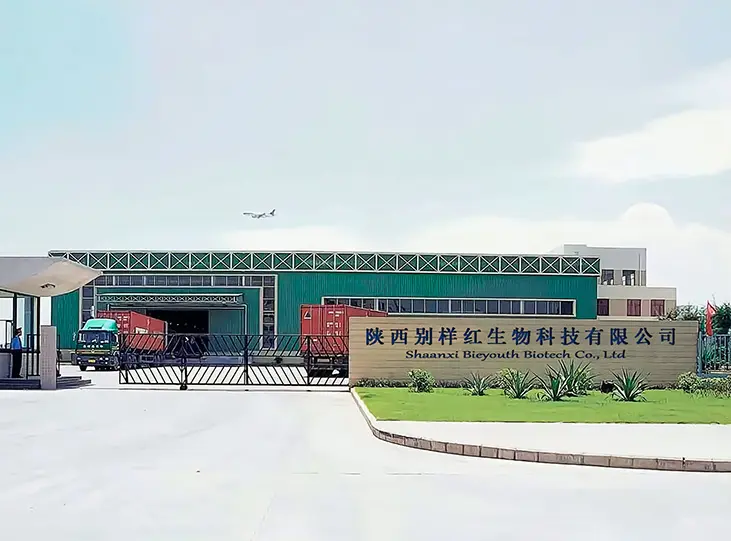
Established in 2018, Shaanxi Bieyouth Biotech Co., Ltd. brings extensive experience in international trade and industrial-scale manufacturing. As a premier gold supplier, we integrate R&D, production, and sales of high-purity plant and animal extracts, food additives, and pharmaceutical raw materials.
Our infrastructure includes GMP-certified facilities with two standardized production workshops equipped with cutting-edge extraction technology. We proudly export to the USA, UK, Canada, Russia, and Australia, maintaining a 50,000-ton annual production capacity.
Scientific Breakthroughs
Quality Control
Capacity Leap
Annual Capability
The convergence of AI, Biotechnology, and Precision Nutrition.
Focusing on the micro-encapsulation of lactase to ensure it remains stable in acidic environments, allowing for "on-the-go" nutritional supplements that work in real-time within the digestive tract.
Utilizing machine learning to predict the interaction between plant proteins (like Rice and Beetroot) and human gut microbiota to maximize nutrient absorption for lactose-intolerant individuals.
Moving towards zero-waste extraction models where by-products of lactose-friendly processing are recycled into agricultural bio-stimulants, completing the circular economy loop.
Bridging global standards with regional market demands.
FDA-FSMA alignment and GRAS (Generally Recognized as Safe) certification for all our lactose-friendly additives.
Strict adherence to non-GMO requirements and novel food registrations for our innovative peptides and extracts.
Customizing flavor profiles and solubility for the booming dairy-alternative beverage market in China and Southeast Asia.
Participated in Shanghai International Cosmetics and Raw Materials Exhibition, showcasing our latest Ceramide AP and repair solutions.
Successfully obtained US FDA certification, solidifying our entry into the high-end North American pharmaceutical market.
Global export launch. Established the Institute of Biology for advanced research into cosmetic and food raw materials.
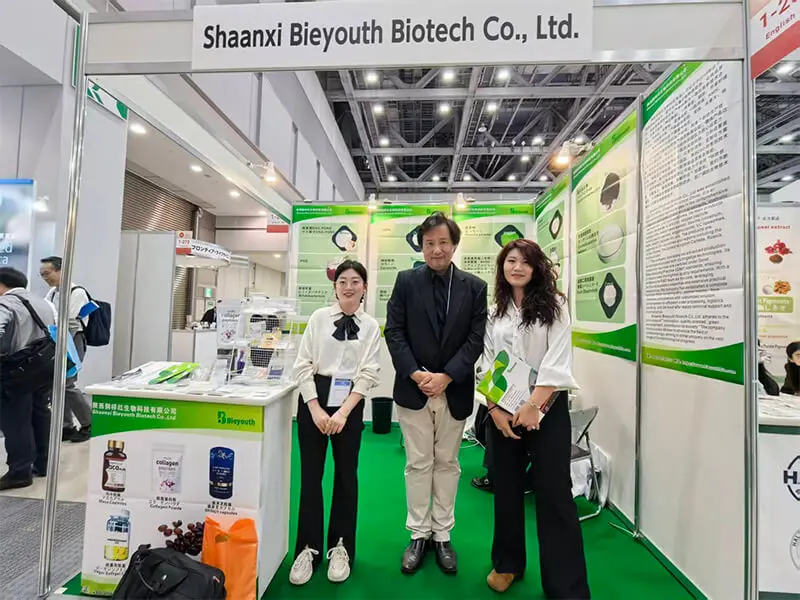

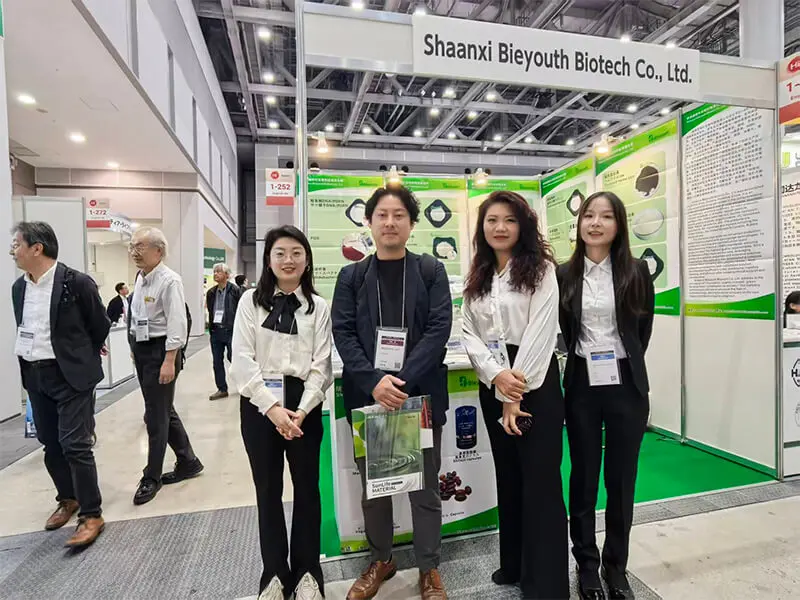
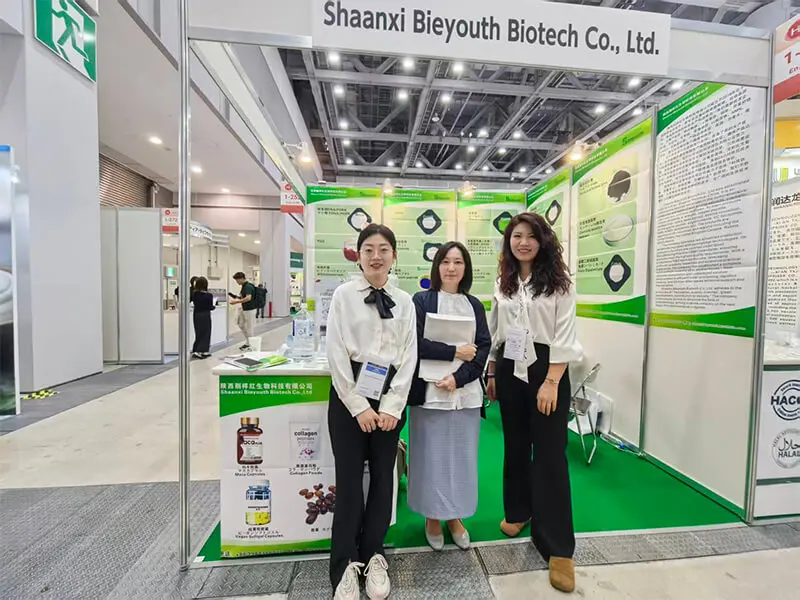
From conceptual design to global delivery, we handle the complexity of lactose-friendly manufacturing.
Deep dive into your target market specifications and quality benchmarks.
Custom formulation in our labs, ensuring perfect stability and "friendly" status.
Scale-up in our 50,000-ton capacity facility with real-time QC monitoring.
Streamlined shipping and customs handling for rapid market entry.
Expert insights into lactose-friendly ingredient sourcing.
A: We utilize a dedicated production line for plant-based materials to prevent cross-contamination. Furthermore, our extraction processes avoid any dairy-derived solvents, ensuring that products like our Rice Protein Peptide are naturally and strictly lactose-free.
A: Rice peptides offer a superior hypoallergenic profile, easier digestion (lower molecular weight), and are 100% safe for those with lactose intolerance or milk allergies. Our high-purity OEM versions are optimized for solubility in beverages.
A: Yes, while our annual capacity is 50,000 tons, we maintain a flexible OEM/ODM pilot program for innovative brands looking to test new "lactose-friendly" market concepts before full-scale production.
 Bieyouth